


| Issue |
J Oral Med Oral Surg
Volume 32, Number 2, 2026
|
|
|---|---|---|
| Article Number | 17 | |
| Number of page(s) | 3 | |
| DOI | https://doi.org/10.1051/mbcb/2026017 | |
| Published online | 17 July 2026 | |
Case Report
Orofacial sensory neuropathy associated with hypervitaminosis B6 caused by prolonged self-medication: A case report
Henri Mondor Hospital, Dental Department, Paris-Cité University, Ile-de France, France
* Correspondence: This email address is being protected from spambots. You need JavaScript enabled to view it.
Received:
25
November
2025
Accepted:
3
May
2026
Abstract
Introduction: Self-medication with vitamin supplements carries underestimated toxicity risks. Excessive or prolonged vitamin B6 intake is known to induce sensory neuropathy, typically affecting the distal limbs. Observation: We report a 33-year-old woman with no relevant medical history who developed orofacial sensory neuropathy after seven weeks of daily intake of a multivitamin supplement containing 8.2 mg of vitamin B6 (Berocca®). She presented with paresthesia (numbness and tingling) localized to the right cheek and perioral region, with no motor involvement. Oral, dental, and radiological examinations were unremarkable. Plasma vitamin B6 was markedly elevated at 286 nmol/L (normal: 51–183 nmol/L). Supplement discontinuation led to complete symptom resolution and normalization of vitamin B6 levels (99 nmol/L) within one month, without evidence of a coasting effect. Conclusion: This case highlights a rare orofacial manifestation of B6 neurotoxicity, potentially involving disrupted GABAergic neurotransmission and pain signaling pathways. The atypical localization may delay diagnosis. Systematic nutritional assessment is warranted in patients presenting with unexplained paresthesia, and the public should be better informed of the risks associated with unsupervised vitamin supplementation.
Key words: Vitamin B6 / pyridoxin / hypervitaminosis / neuropathy / peripheral / case reports
© The authors, 2026
 This is an Open Access article distributed under the terms of the Creative Commons Attribution License (https://creativecommons.org/licenses/by/4.0), which permits unrestricted use, distribution, and reproduction in any medium, provided the original work is properly cited.
Introduction
Vitamin B6 consists of pyridoxine, pyridoxal (PDX), and pyridoxamine. Their metabolism leads to pyridoxal phosphate, an essential coenzyme in various biological reactions, particularly in the blood, skin, and neurons. It plays a fundamental role in heme biosynthesis, metabolism of amino acids, carbohydrates, and lipids. The daily requirement for an adult varies from 1.5 to 1.8 mg [1] and is generally met by a varied diet with common sources including poultry, fish, legumes, whole grains, potatoes, bananas, and certain vegetables [2]. The upper safe limit (USL) for vitamin B6, set by the European Food Safety Authority (EFSA) in 2023 based on a systematic assessment of the link between vitamin B6 and peripheral neuropathy, is 12 mg/day for adults [2]. However, the increasing use of vitamin supplements, often through self-medication, exposes people to the risk of overdose, particularly with over-the-counter formulas such as Berocca®, which contains 8.2 mg of vitamin B6 per tablet. Chronic overdose, although rare, causes peripheral neuropathies, sometimes severe, with a predominance of sensory symptoms [3]. This case illustrates a rare orofacial manifestation linked to hypervitaminosis B6 in the context of prolonged self-medication beyond the usual prescription.
Observation
A 33-year-old female patient in good general health consulted for neurosensory symptoms that appeared after taking Berocca® continuously for seven consecutive weeks.
The symptoms reported by the patient during the interview included paresthesia localized to the right side of the face, characterized by numbness and tingling sensations in the peri-oral and cheek regions, with no other sensory or motor impairment.
The extraoral clinical examination, performed by the oral surgeon, revealed slight hypoesthesia limited to the area described. The intraoral examination and radiological examinations (dental panoramic and computed tomography scan) showed no dental or bone abnormalities.
The biological assessment performed after consultation showed a significant increase in vitamin B6 levels to 286 nmol/L (normal range: 51–183 nmol/L).
Discontinuation of the supplement led to a gradual regression of symptoms with complete disappearance of paresthesia and normalization of plasma vitamin B6 levels to 99 nmol/L at 1-month follow-up (Fig. 1).
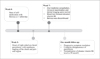 |
Fig. 1 Graphical timeline of clinical events. |
Discussion
The neurological toxicity of vitamin B6 is well documented in the literature and mainly manifests as peripheral sensory neuropathies of the glove-and-stocking type, primarily affecting the distal extremities of the limbs. Clinical signs such as ataxia, coordination disorders, balance and proprioception disorders, and decreased tendon reflexes are frequently observed [4]. Orofacial involvement is much rarer, although it has been described in a few isolated cases [5,6]. The exact pathophysiology of vitamin B6-induced neurotoxicity remains incompletely understood, but available data suggest a preferential injury to sensory neurons, particularly within the dorsal root ganglia. Excess pyridoxine may disrupt intracellular vitamin B6 homeostasis through saturation of hepatic metabolic pathways and inhibition of PDX kinase, leading to altered GABAergic neurotransmission and subsequent sensory neuronal toxicity. This selective involvement of sensory pathways explains the predominance of paresthesia, sensory ataxia, and proprioceptive impairment, whereas motor function is usually preserved [7,8].
In addition, experimental and clinical studies suggest that vitamin B6 participates in the modulation of pain signaling, likely through its role in neurotransmitter balance and neuroinflammatory pathways, which may partly account for the emergence of neuropathic-type symptoms in the setting of vitamin B6 imbalance [1].
The toxicity threshold varies from person to person and depends in particular on the total dose, duration of exposure, and genetic predisposition [9]. In this case, the cumulative dosage greatly exceeded the recommended intake, explaining the onset of symptoms.
The rarity of orofacial locations may delay diagnosis, especially as these symptoms might be mistaken for dental, sinus, or central neurological etiologies. This case highlights the importance of systematically including plasma vitamin B6 measurement in the investigation of unexplained paresthesias in patients self-medicating for fatigue, even in the absence of prior medical history.
A recognized phenomenon in vitamin B6-induced neuropathy is the “coasting effect”, where neurological symptoms may continue to progress for 2–3 weeks after discontinuation of supplementation, despite normalization of plasma vitamin B6 levels [10]. This indicates a lag between toxin exposure and structural nerve damage, after which a slow and sometimes incomplete recovery can occur. In our case, the rapid resolution of symptoms within one month and biological normalization suggest a reversible toxic effect without a prominent coasting phenomenon. However, severe cases may result in sequelae or slow recovery [11], underscoring the importance of early diagnosis and intervention.
This case raises concerns about the trivialization of self-medicated vitamin supplements, often reputed to be harmless, and calls for reinforced clinical vigilance through systematic nutritional assessment in the presence of atypical paresthesia. Management should be adjusted to ensure patient awareness of the risks associated with prolonged and non-medicated supplement use.
Conclusion
Prolonged self-medication with vitamin B6 exposes to atypical neurological complications with sometimes misleading localization. This case of oro-facial neuropathy illustrates the importance of early clinical and biological investigation, the need for increased monitoring, and the necessity of better informing the public about potential risks related to nutritional supplements, even those available without prescription.
Funding
This research did not receive any specific funding.
Conflicts of interest
The authors declare that they have no conflict of interest.
Data availability statement
Data sharing is not applicable to this article as no datasets were generated or analyzed beyond the information presented in the manuscript.
Informed consent
Written informed consent was obtained from the patient to publish this report in accordance with the journal’s patient consent policy.
References
- Muhamad R, Akrivaki A, Papagiannopoulou G, Zavridis P, Zis P. The role of vitamin B6 in peripheral neuropathy: a systematic review. Nutrients [Internet. 21 juin 2023 [cité 9 nov 2025;15:2823. [Google Scholar]
- EFSA Panel on Nutrition, Novel Foods and Food Allergens (NDA), Turck D, Bohn T, Castenmiller J, de Henauw S, Hirsch-Ernst KI, et al. Scientific opinion on the tolerable upper intake level for vitamin B6. EFSA J. mai 2023;21:e08006. [Google Scholar]
- Malet L, Dayot L, Moussy M, de la Gastine B, Goutelle S. Peripheral neuropathy with hypervitaminosis B6 caused by self-medication. Rev Med Interne. févr 2020;41:126–129. [Google Scholar]
- Hunsel F, Scholl J, Vrolijk M, Ekhart C. Impact of regulatory action on dose maximalization for vitamin B6 dietary supplements on the reporting pattern for neuropathy. Pharmacoepidemiol Drug Safety. 2025;34:e70108-n/a. [Google Scholar]
- Schaumburg H, Kaplan J, Windebank A, Vick N, Rasmus S, Pleasure D, et al. Sensory neuropathy from pyridoxine abuse. A new megavitamin syndrome. N Engl J Med. 25 août 1983;309:445–448. [Google Scholar]
- Dalton K, Dalton MJT. Characteristics of pyridoxine overdose neuropathy syndrome. Acta Neurol Scand. 1987;76:8–11. [Google Scholar]
- Vrolijk MF, Opperhuizen A, Jansen EHJM, Hageman GJ, Bast A, Haenen GRMM. The vitamin B6 paradox: supplementation with high concentrations of pyridoxine leads to decreased vitamin B6 function. Toxicol In Vitro. oct 2017;44:206–212. [Google Scholar]
- Hadtstein F, Vrolijk M. Vitamin B-6-induced neuropathy: exploring the mechanisms of pyridoxine toxicity. Adv Nutr. 1 oct 2021;12:1911–1929. [Google Scholar]
- Sun Y, Yu X, Teng Y, Sun Y. Toxic effects of excess vitamins A, B6, and folic acid on the nervous system. Behav Neurol [Internet. 2025 [cité 9 nov 2025;2025:7888243. [Google Scholar]
- Berger AR, Schaumburg HH, Schroeder C, Apfel S, Reynolds R. Dose response, coasting, and differential fiber vulnerability in human toxic neuropathy: a prospective study of pyridoxine neurotoxicity. Neurology. juill 1992;42:1367–1370. [Google Scholar]
- MSD Manual Professional Edition [Internet. [cité 9 nov 2025]. Vitamin B6 Toxicity - Nutritional Disorders, 2024. https://www.msdmanuals.com/fr/professional/troubles-nutritionnels/carence-d%C3%A9pendance-et-toxicit%C3%A9-des-vitamines/intoxication-par-la-vitamine-b6 [Google Scholar]
Cite this article as: Bitton A, Rave L, Tawfik S, Olugbeje H, 2026. Orofacial sensory neuropathy associated with hypervitaminosis B6 caused by prolonged self-medication: A case report. J Oral Med Oral Surg. 32: 17. https://doi.org/10.1051/mbcb/2026017
All Figures
|
Fig. 1 Graphical timeline of clinical events. |
| In the text | |
Current usage metrics show cumulative count of Article Views (full-text article views including HTML views, PDF and ePub downloads, according to the available data) and Abstracts Views on Vision4Press platform.
Data correspond to usage on the plateform after 2015. The current usage metrics is available 48-96 hours after online publication and is updated daily on week days.
Initial download of the metrics may take a while.